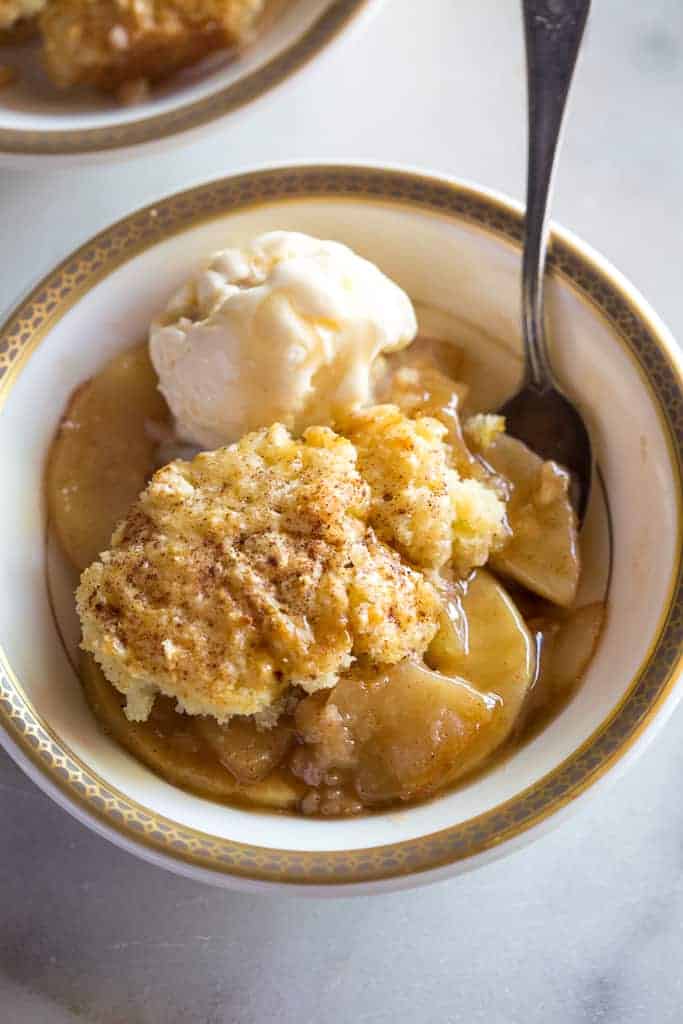
Why Most Apple Cobblers Fail: The Batter & Pre-Cooked Apple Secret
There's nothing quite like a warm, comforting apple cobbler on a crisp autumn evening, or even as a requested birthday dessert instead of cake. It evokes images of homestyle goodness, sweet spiced apples, and a tender topping. Yet, for a dish that seems deceptively simple, many home bakers find themselves scratching their heads when their apple cobbler doesn't live up to expectations. Dry, gummy, undercooked, or overly soggy – these are common complaints that can turn a comforting classic into a culinary challenge. But what if we told you the secret to a consistently perfect apple cobbler lies in two critical, often overlooked steps: pre-cooking your apples and mastering a batter-based topping?
After countless trials, tests, and a deep dive into the nuances of this beloved dessert, experts have pinpointed exactly why some apple cobblers sing and others falter. It's not about complex techniques, but rather understanding the unique characteristics of apples and pairing them with the right preparation methods. Let's uncover the secrets to transforming your apple cobbler from a hit-or-miss endeavor into a guaranteed showstopper.
The Elusive Perfect Apple Cobbler: Why So Many Attempts Fall Flat
The journey to the ultimate apple cobbler is often paved with good intentions but misguided methods. Many bakers approach apple cobbler like its berry or peach counterparts, assuming a one-size-fits-all strategy. This is where the problems begin, leading to toppings that are either too dry or apples that are stubbornly firm.
The Moisture Mismatch: Apples vs. Berries
One of the primary reasons for apple cobbler failure stems from comparing apples to, well, other fruits. Peaches and various berries are naturally bursting with juice. Their high water content readily softens during baking, creating a luscious, self-saucing filling. This is why a simple biscuit-style topping often works beautifully for these fruits; the biscuits can absorb some of the excess moisture while still baking through to a tender finish.
However, apples are different. They contain less free-flowing liquid and require more time and heat to soften properly. When a dry biscuit topping is placed directly onto raw, sliced apples, the result is often a double whammy: dry apples that don't release enough juice to moisten the filling, and a topping that comes out unappealingly dry and crumbly. There's simply not enough moisture from the apples to create that cohesive, comforting texture we crave in a cobbler.
The Batter Blunder: When Toppings Go Gummy
Recognizing the moisture issue, some bakers wisely pivot to a batter-based topping, similar to what might be used for a cherry cobbler. While a batter is a step in the right direction, early attempts can still fail spectacularly. A common mistake is simply pouring batter over raw apples. Apples are dense and heavy, and when placed on top of a liquid batter, they can sink, preventing the batter from baking through evenly. This often results in a gummy, undercooked bottom layer of batter and a top layer that's too thin or uneven. Furthermore, incorrect incorporation of fat (like keeping butter separate) can lead to strange, unappetizing craters on the surface, ruining the aesthetic appeal.
The solution, it turns out, isn't about ditching the batter, but refining both the apple preparation and the batter application.
The Game-Changer: Embracing Pre-Cooked Apples
This is arguably the most crucial secret to a consistently spectacular apple cobbler. The idea of pre-cooking apples might seem like an extra step, but it's a small investment that yields immense returns in flavor, texture, and overall success.
Why Pre-Cooking Is Non-Negotiable for Apple Cobbler
A quick pre-cook on the stove gives your apple slices a vital head start. Here's why it's a game-changer:
- Perfectly Tender Apples: A few minutes of gentle heat softens the apples just enough, ensuring they reach that melt-in-your-mouth tenderness in the oven without turning to mush. Raw apples, baked directly, often remain too firm or take excessively long to cook, risking an overbaked topping.
- Juice Release and Flavor Development: The heat coaxes out some of the apples' natural juices, preventing a dry filling. These released juices then mingle with your chosen spices and sugar (brown sugar is excellent here), creating a rich, gooey, cinnamon-spiced sauce that beautifully coats every apple slice. This sauce thickens as it bakes, creating a cohesive and flavorful filling.
- Enhanced Spice Distribution: Pre-cooking allows the apples to absorb the warming spices like cinnamon, nutmeg, and a hint of allspice more deeply. This infusion of flavor throughout the apple filling is something you simply can't achieve with raw apples.
We've found that pre-cooking on the stovetop is superior to pre-baking in the oven for this step, offering better control over the texture and sauce consistency. For a detailed guide on perfecting your apple filling, check out our insights in Easy Old-Fashioned Apple Cobbler: The Secret to Perfect Apples, where we delve deeper into the nuances of apple preparation.
The Science Behind the Sizzle
Beyond taste, there's a bit of science at play. Apples contain pectin, a structural carbohydrate that gives them firmness. Gentle heat during pre-cooking begins to break down this pectin, allowing the apples to soften without losing their shape entirely. This also helps in creating that desirable, slightly thickened sauce as the pectin combines with sugars and released moisture. It's this careful balance that prevents both dry apples and a watery filling.
The Secret Sauce of Success: A Batter-Based Topping
Once your apples are perfectly prepared, the next critical element is the topping. Forget the biscuit, embrace the batter.
Beyond Biscuits: Why Batter Wins for Apple Cobbler
As established, apples don't provide the same moisture as berries or peaches. A pourable, batter-based topping, often enriched with milk, sugar, flour, and a leavening agent, creates a soft, fluffy blanket over the apples. This topping is inherently moister than a biscuit-style one, which complements the apples' lower moisture content. It bakes into a cake-like, tender consistency that provides a delightful textural contrast to the soft, saucy apples beneath. Think of it as a beautiful, edible duvet for your fruit.
Crafting the Ideal Cobbler Batter
The key to a successful batter topping lies in its simplicity and proper execution. It typically comes together in one bowl, but a few details make all the difference:
- Melted Butter: Unlike some recipes that call for cold, cubed butter (which is great for biscuits or pie crusts), a batter topping often benefits from melted butter. This ensures even distribution of fat, contributing to a tender crumb and preventing those "strange and unappetizing-looking craters" observed in earlier test batches.
- Don't Overmix: As with any cake-like batter, overmixing can develop too much gluten, leading to a tough, dense topping. Mix just until the ingredients are combined, leaving a few small lumps if necessary.
- Right Consistency: The batter should be thick enough to hold its shape somewhat but still pourable, ensuring it spreads evenly over the apples without sinking entirely.
The "Apples Below, Batter Above" Principle
To avoid the gummy bottom batter issue, the traditional cobbler structure is paramount: apples on the bottom, batter poured over the top. The pre-cooked apples form a stable, saucy base in the baking dish. The batter is then gently poured over this base, allowing it to bake undisturbed. As the batter bakes, it rises and sets, creating a distinct, fluffy layer separate from the fruit, ensuring both components cook perfectly.
Mastering Your Apple Cobbler: Extra Tips for Perfection
Armed with the secrets of pre-cooked apples and a batter topping, you're well on your way. Here are a few more tips to ensure your apple cobbler is nothing short of legendary.
Choosing Your Apples Wisely
Not all apples are created equal for baking. Opt for firm-fleshed apples that hold their shape well and offer a good balance of tartness and sweetness. Excellent choices include:
- Granny Smith: Classic choice, holds shape, tartness balances sweetness.
- Honeycrisp: Firm, crisp, sweet, and holds shape beautifully.
- Fuji or Braeburn: Good for texture and a sweet-tart flavor.
- Gala or Golden Delicious: Softer, but can be used in combination with firmer apples.
A mix of two or three varieties can add complexity to the flavor and texture of your filling. Peeling is generally preferred for a smoother dessert experience, but leaving some peel on can add a rustic touch and fiber.
Don't Rush the Bake
Cobblers, especially those with fruit, need adequate time in the oven. Bake until the topping is golden brown and a skewer inserted into the center comes out clean (or mostly clean, a little stickiness is fine for fruit!). The filling should be bubbly around the edges, indicating it's heated through and thickened. Resist the urge to open the oven door too frequently, which can cause temperature fluctuations and affect baking time. If you're looking for the ultimate apple cobbler recipe, rigorously tested through nine variations to guarantee perfection, you'll want to read The Only Apple Cobbler Recipe You'll Ever Need (Tested 9 Ways).
The Ultimate Comfort Dessert
Serving your apple cobbler warm, straight from the oven, is essential. The contrast of the hot, sweet apples and tender topping with a scoop of cold vanilla bean ice cream or a dollop of fresh whipped cream is pure bliss. It's a dessert that speaks of home, comfort, and simple joys, perfect for family gatherings, holiday tables, or simply a treat after a long day.
The journey to the perfect apple cobbler doesn't have to be fraught with failure. By understanding the unique needs of apples, embracing the power of pre-cooking, and mastering the art of a tender batter topping, you can consistently create a dessert that will be requested time and again. Say goodbye to dry apples and gummy crusts, and hello to the comforting, irresistible apple cobbler you've always dreamed of!
